Problems & Repairs
Downdraught has a distinctive signature: the fire behaves perfectly for weeks, then on one blustery evening smoke pushes back into the room in gusts. Because it is intermittent, people often chase the wrong cause — sweeping a flue that is already clear, or replacing a stove that works fine.
The give-away is direction. If the trouble arrives with a particular wind, you are dealing with air being forced down the stack rather than anything obstructing it.
What actually causes it
Wind hitting an obstruction creates a zone of high pressure on the downwind side. If your chimney terminal sits inside that zone, the pressure pushes down the flue and overwhelms the draw. Exposed Scottish sites, coastal properties and houses sitting below a slope are all classic candidates.
- A chimney terminating too low relative to the roof ridge
- A taller neighbouring building, gable or extension close by
- Mature trees that have grown up around the property over the years
- Rising ground or a hillside immediately behind the house
- A flue that is oversized, so the column of warm air is weak and easily disturbed
Telling downdraught apart from a blockage
A blockage is constant — the fire is poor every time, in every weather. Downdraught is conditional. If you can correlate the bad evenings with wind direction, you have your answer. A CCTV survey settles it definitively by showing the flue is clear, which is worth doing before spending money on cowls or stack work.
The fixes that work
Anti-downdraught cowls are the first-line remedy and resolve the majority of cases. They are shaped to use crosswind to accelerate extraction rather than allowing it to force air down. Spinning and static designs each suit different situations, and matching the type to the appliance matters.
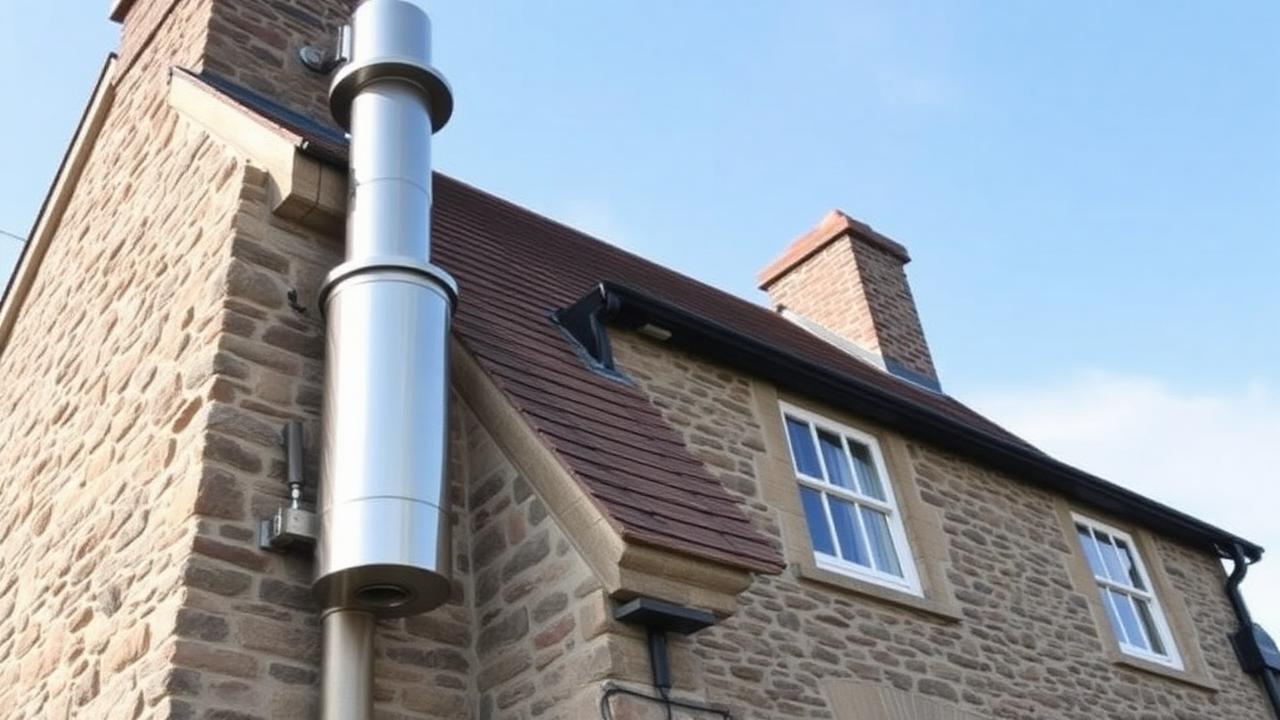
Where a cowl is not enough, raising the terminal height brings the outlet clear of the pressure zone. On appliances fitted to old oversized flues, lining the chimney to the correct diameter for the stove strengthens the draw enough to resist disturbance. Which of these is right depends on a look at the roofline, which is why we survey before quoting.
Frequently asked questions
Will any cowl fix downdraught?
No — a plain rain cap or bird guard does nothing for downdraught, and the wrong cowl can make draw worse. It needs to be an anti-downdraught design matched to your flue and appliance.
Can trees really cause this?
Yes, and it is a common cause of chimneys that used to work fine. Trees planted twenty years ago are now tall enough to create turbulence over the roofline that did not exist when the stack was built.
Does an extractor fan cause downdraught?
Not strictly downdraught, but the symptom looks identical. A powerful extractor depressurises the house and pulls air down the flue. If the problem coincides with cooking rather than weather, that is the cause and additional ventilation is the answer.
Get the roofline and flue assessed together
We survey the stack, check the flue with a camera and recommend the cowl or work that actually addresses the cause.